

The three to rule them all
ISO, shutter speed, and aperture form the exposure triangle — the foundation of photography. Together, they decide how bright or dark your photo will be, and how creative effects like motion blur or background blur appear.
Key Takeaways
ISO = light sensitivity (but higher adds grain)
Shutter speed = how long light enters (affects motion)
Aperture = how wide the lens opens (affects background blur)
Think of ISO as your camera’s “light sensitivity.” A low ISO (100–200) works best in bright daylight, while a higher ISO (800–3200) helps in darker spaces. But higher ISO often adds grain (also called noise), so use the lowest number you can for the light you have.
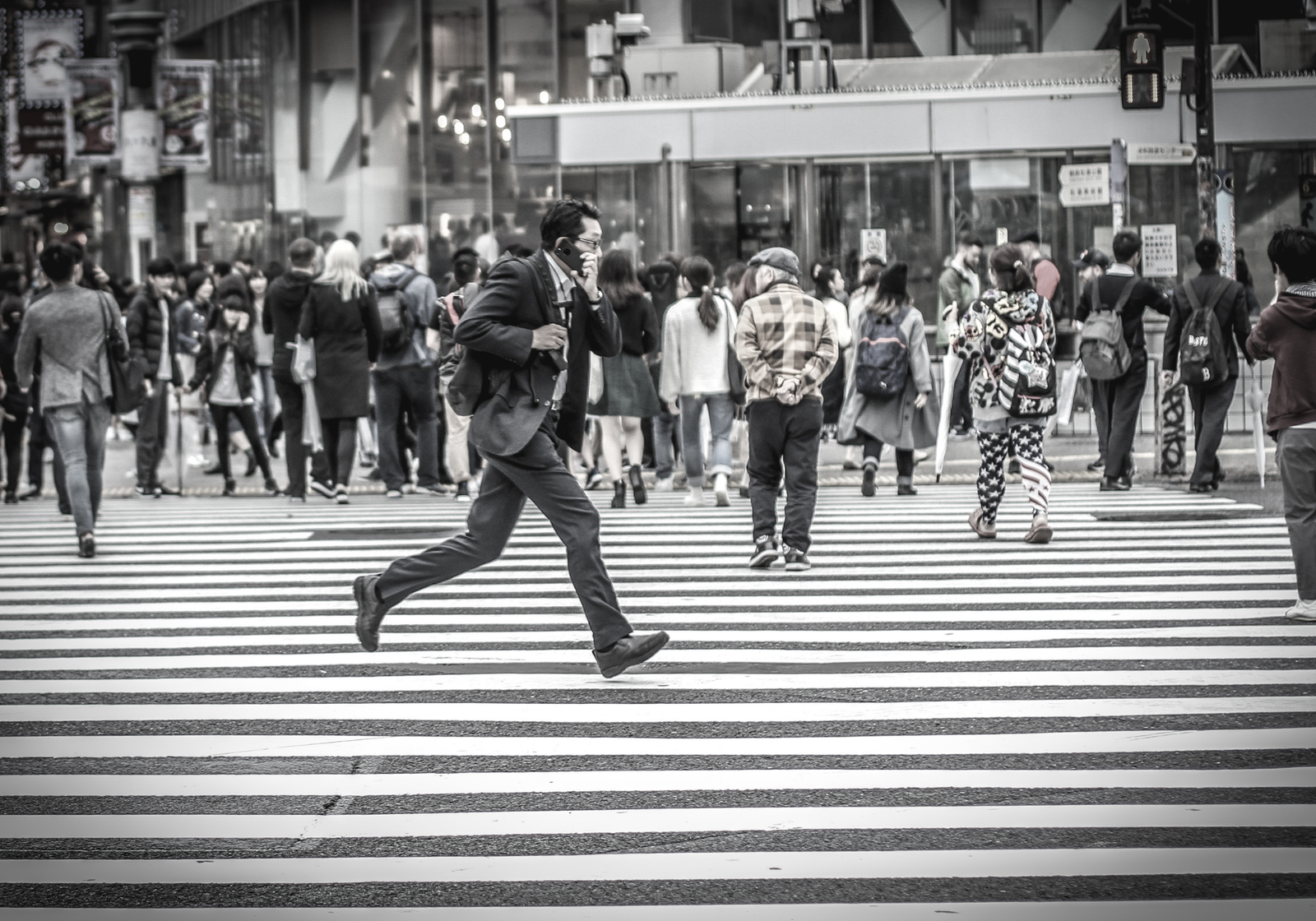
Shutter speed is how long the camera’s shutter stays open. A fast speed (like 1/1000s) freezes action, while a slower speed (like 1/15s) can create motion blur — great for flowing water or light trails. The longer the shutter stays open, the more risk of blur from camera shake, so steady hands or a tripod help.
Aperture controls how wide your lens opens to let in light. It also affects depth of field. A wide aperture (f/1.8) gives you a sharp subject with a blurry background — perfect for portraits. A narrow aperture (f/16) keeps everything sharp, which works well for landscapes.
In Summary

The exposure triangle is less scary than it looks. ISO, shutter speed, and aperture simply balance light and give you creative control. Learn to adjust one setting at a time,
and you’ll soon see how they work together.
FAQ
What’s the best setting to start learning first?
Start with aperture. It’s the easiest to see results with (blurry vs. sharp background). Once you feel comfortable, move to shutter speed, then ISO.
Why do my photos get too dark or too bright when I change a setting?
Because the three settings work together. If you lower ISO for less grain, you might need to slow shutter speed or open the aperture to let in more light. Balancing them is key.
Do professionals always get exposure perfect in-camera?
Not always. Many photographers aim to get “close enough” and then fine-tune in editing. The goal is to capture enough detail without losing highlights or shadows.
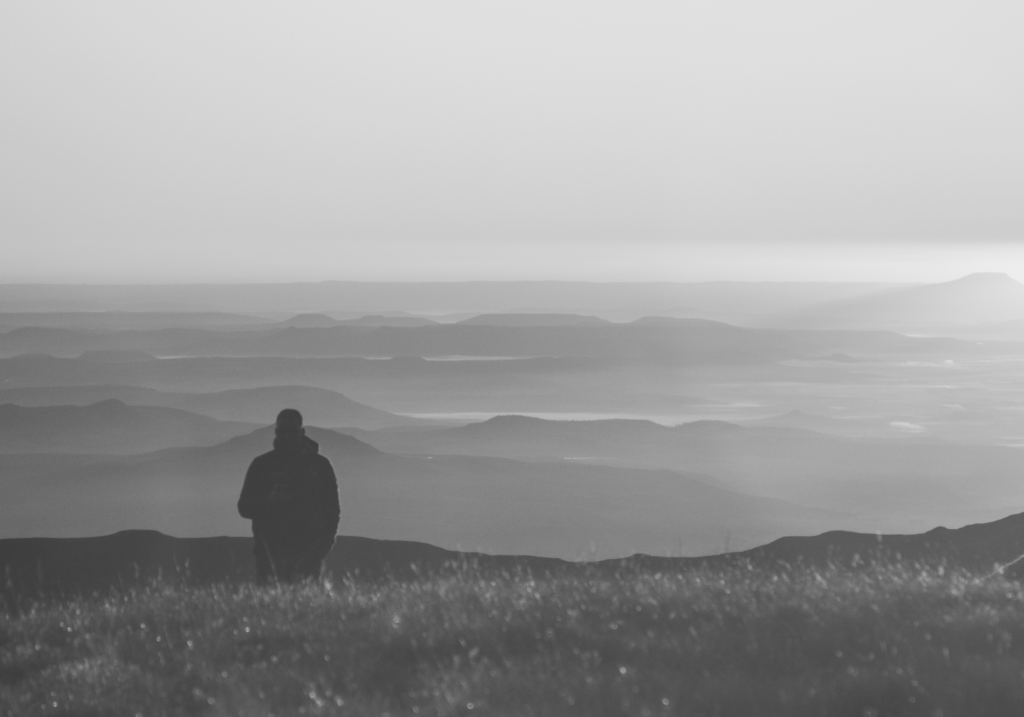
Go try it
Take one subject and shoot three photos.
- adjusting ISO,
- adjusting shutter speed, and
- adjusting aperture.
Compare how each photo changes, then think about which effect you like best.



Leave a Comment
You must be logged in to post a comment.