

What is Exposure?
Exposure simply means how bright or dark your photo is. Too dark and details are lost. Too bright and highlights are blown out. The good news? You don’t need technical terms to understand it — just think about balancing light.
Key Takeaways
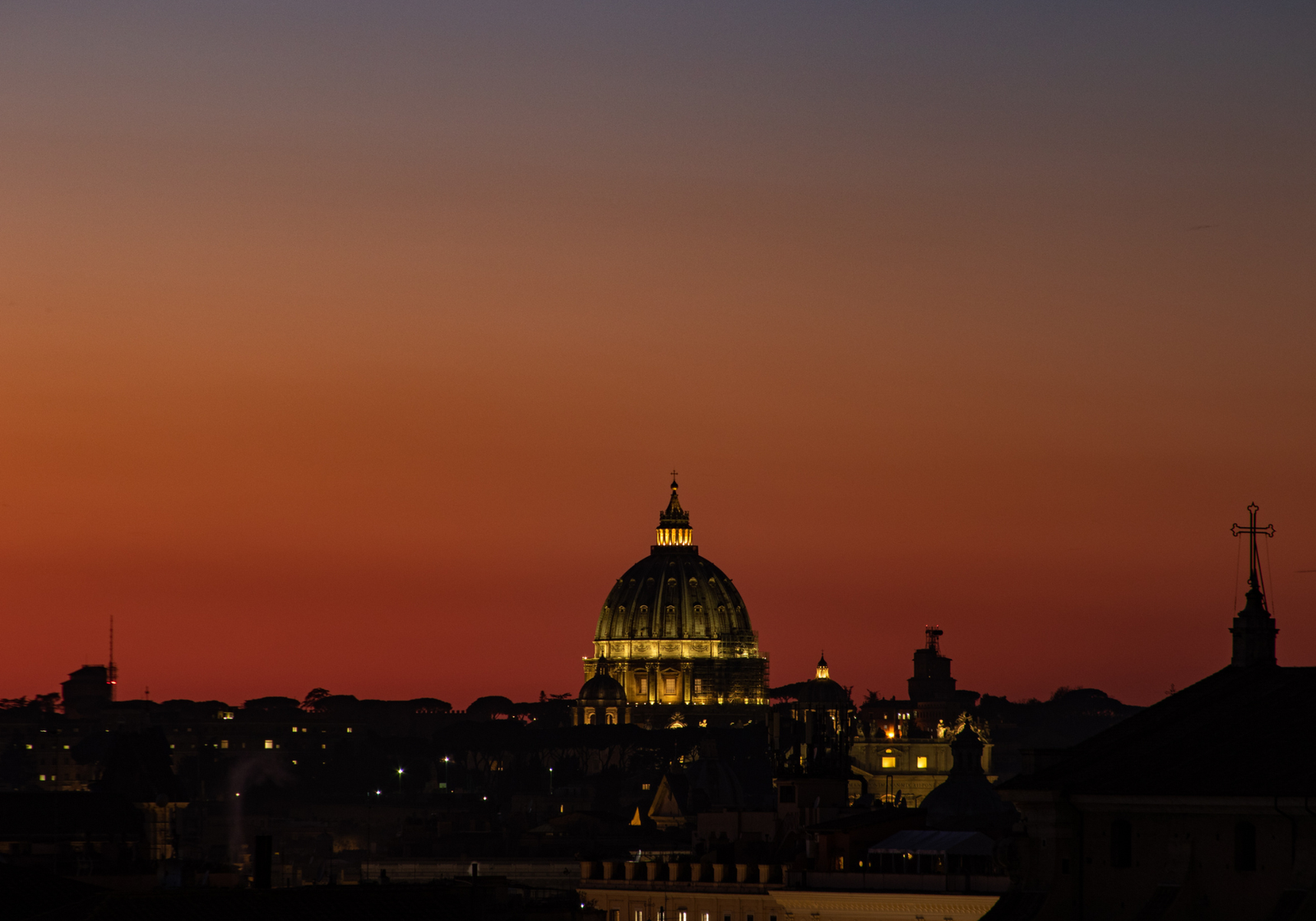
Overexposed = too bright.
Underexposed = too dark.
Exposure triangle controls it.
Understanding the exposure triangle takes practice, but once mastered, it gives you complete creative control over your images. Try experimenting with different combinations of aperture, shutter speed, and ISO to see how they affect your photos. Remember that there’s often more than one “correct” exposure for any scene – the choice depends on your creative vision.
In Summary

Exposure is the balance of light in your image. Once you notice whether your photo is too dark or too bright, you can adjust one of the three main settings to fix it.
FAQ
What is the exposure triangle in photography?
The exposure triangle refers to the three main elements that control exposure: aperture, shutter speed, and ISO. These three settings work together to determine how light or dark your image will be.
How do I know if my photo is properly exposed?
A properly exposed photo shows details in both the highlights and shadows. Check your camera’s histogram – a balanced histogram usually indicates good exposure. Most cameras also have highlight warnings that show when areas are overexposed.
What’s a histogram?
A graph showing if your image is too dark or bright.
Can I fix exposure problems after taking a photo?
Yes, to some extent. Photo editing software allows you to adjust exposure, recover some highlights, and brighten shadows. However, it’s always best to get the exposure right in-camera, as severely under or overexposed images may have irreparable loss of detail.




Leave a Comment
You must be logged in to post a comment.